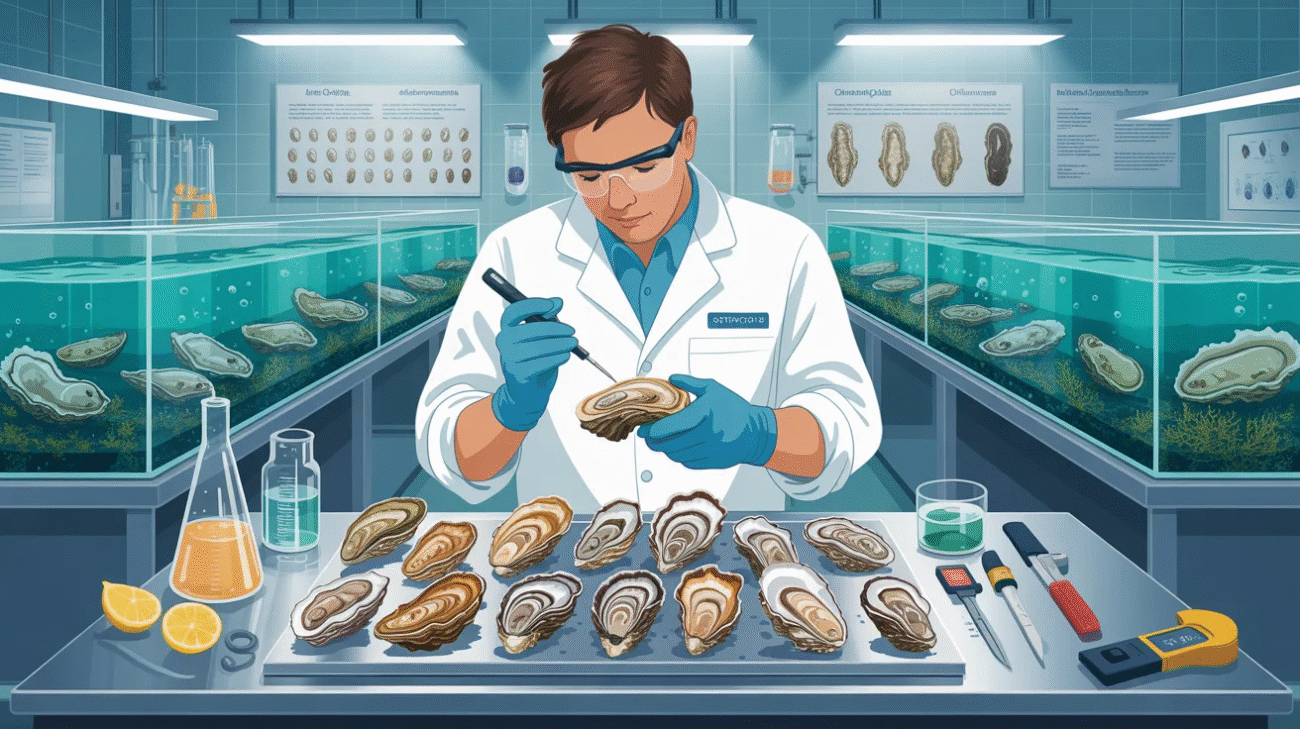
What is Ostropologe?
Ostropologe refers to a specialized field dedicated to the study of specific biological subjects, often involving large-scale ecological and evolutionary patterns within diverse environments. The term itself has roots in various disciplines, primarily biology and anthropology, and serves as a bridge between them, integrating concepts from both to examine complex living systems. This field encompasses topics such as species interaction, ecosystem dynamics, and evolutionary adaptations, providing insights into how organisms adapt and thrive within their ecological niches.
The origins of ostropologe can be traced back to the early works of naturalists and biologists who began to systematically study the relationships between organisms and their habitats. Over time, this branch of study has expanded to incorporate modern methodologies from genetics, bioinformatics, and conservation biology. As environmental challenges intensify, the relevance of ostropologe continues to grow, underscoring the need for informed conservation strategies and sustainable resource management.
Today, ostropologe plays a critical role in understanding biodiversity and the impacts of climate change, habitat destruction, and invasive species. It combines theoretical frameworks with practical applications, allowing researchers and practitioners to formulate effective solutions to pressing ecological issues. This field’s significance is particularly evident in areas such as environmental policy, wildlife management, and public education about the importance of biodiversity. The evolution of ostropologe signifies a commitment to not only understanding the complexities of life on Earth but also advocating for its preservation in an ever-changing environment.
The Importance of Ostropologe in Modern Studies
Ostropologe plays a quintessential role in contemporary research, acting as a bridge that connects various academic disciplines with practical applications. As societies undergo rapid transformations due to globalization, technology, and social dynamics, the need for a comprehensive understanding of these transitions becomes paramount. Ostropologe aids in deciphering complex social patterns, enabling researchers and professionals to navigate the intricacies of human behavior and societal structures.
In the realm of social sciences, for instance, ostropologe facilitates in-depth examinations of group interactions and cultural studies. Researchers leverage its theories to analyze community dynamics, shedding light on how diverse populations communicate and coexist. These insights are invaluable for policymakers aiming to craft effective interventions that promote social cohesion and equity. Furthermore, ostropologe has emerged as a crucial component in anthropology, where it helps decipher the relationship between culture and individual identity, providing a groundwork for understanding cultural evolution and the implications of modernity.
Moreover, the relevance of ostropologe extends beyond academic inquiry into practical applications within technology and business. Companies harness concepts derived from ostropologe to enhance user experience through better understanding of consumer behavior. This foresight informs product design, marketing strategies, and service delivery, ultimately driving innovation and customer satisfaction. For instance, studies employing ostropological principles have illuminated the importance of feedback loops in technology adoption, demonstrating how user interactions shape software improvement.
In summary, the importance of ostropologe in modern studies cannot be overstated. By integrating its principles into various fields, researchers gain profound insights into human behavior, cultural dynamics, and technology utilization, highlighting its growing significance in both academic and professional realms. The continuing evolution of ostropologe ensures that it remains an essential tool for navigating the complexities of today’s world.
Challenges and Future Directions in Ostropologe
The field of ostropologe has witnessed significant advancements, yet it continues to face numerous challenges that impede its growth and accessibility. One of the critical issues pertains to research methodologies. In many cases, the methods employed for data collection and analysis in ostropologe are outdated or inadequately standardized, leading to discrepancies in findings and interpretations. This lack of methodological rigor can ultimately affect the credibility of this discipline and its impact on related fields.
Another substantial challenge arises from public perception of ostropologe. Many individuals remain unfamiliar with its importance and contributions, which hinders potential funding and research opportunities. This gap in understanding can create a barrier to public engagement and awareness, limiting interdisciplinary collaboration and support from external stakeholders. To address this issue, it is essential to develop effective communication strategies aimed at demystifying ostropologe and showcasing its relevance in contemporary discussions.
Furthermore, the rapid advancement of technology presents both challenges and opportunities for ostropologe. While technological innovations can enhance research capabilities, they also necessitate consistent updates to the skills required within the field. Integrating new tools and software into the research process can be daunting and may lead to resistance against adopting such changes among established researchers. Continued education and training initiatives would promote adaptability and innovation, ultimately ensuring that ostropologe evolves alongside technological advancements.
Looking ahead, it is vital for practitioners in ostropologe to collaborate with technology experts in order to explore new research methodologies that leverage both traditional approaches and modern technological tools. By addressing the challenges presently faced and proactively seeking innovative solutions, the field can realize its full potential. This strategic direction will not only strengthen the foundations of ostropologe but also broaden its impact across various sectors of society.
How to Get Involved in Ostropologe
For individuals interested in delving deeper into the enticing realm of ostropologe, there are several pathways to engage with this nuanced field. One of the most effective ways to begin is through formal education. Numerous universities and colleges offer specialized courses in ostropologe that cover a wide array of topics, including its history, important methodologies, and current research trends. Exploring these academic options can provide aspiring ostropologe practitioners with a solid foundation as well as critical theoretical knowledge.
In addition to traditional education, there are a plethora of resources available online that can significantly enhance one’s understanding of ostropologe. Platforms like Coursera and edX play host to a variety of online courses, often designed by top-tier institutions. These courses allow individuals to learn at their own pace and can cover subjects ranging from the fundamentals of ostropologe to advanced studies in specific niches. Engaging with these offerings can help build valuable skills and insights into the field.
Participating in workshops and seminars can also be incredibly beneficial. Such events not only provide hands-on experience but also present opportunities for networking with professionals already established in ostropologe. Many organizations dedicated to the study and promotion of ostropologe host annual conferences, where attendees can learn about cutting-edge research and innovative practices within the field.
For those looking towards career opportunities, the landscape of ostropologe is quite promising. Career paths may include roles in research, education, conservation efforts, or even community outreach programs. Engaging with the community through volunteer work or internships can be invaluable in gaining practical experience and building connections. By leveraging educational resources, online courses, and participation in relevant professional activities, individuals can carve a niche for themselves within the fascinating world of ostropologe.
